
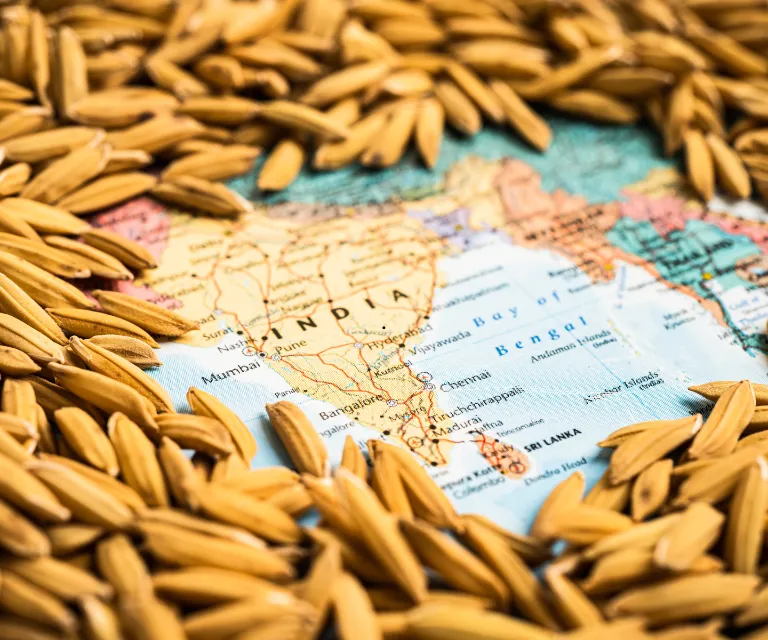
India is globally known for its rich agricultural heritage and diverse crop production. But in recent years, it’s gained another reputation: being a reliable sourcing destination for natural food ingredients, from dehydrated garlic and moringa to spirulina, psyllium husk, and beyond.
With competitive pricing, large-scale farming, and increasingly modern export practices, Indian suppliers are on the radar of top food brands around the world.
But with so many players in the game, how do international procurement teams distinguish a trusted partner from a short-term vendor?
This guide breaks down the key factors top food brands evaluate when choosing Indian exporters—and how to apply the same playbook to streamline your procurement process.
Why Global Buyers are Sourcing from India
Before we get into the checklist, let’s talk about why India has become a go-to market for bulk food ingredient sourcing:
- Diverse product availability (spices, superfoods, herbs, fibers, and more)
- Cost-effective pricing with high-quality production
- Organic and conventional options available
- Large-scale processing and drying infrastructure
- Skilled labor with agricultural know-how
- Improved logistics and faster export documentation
But these advantages only matter if the supplier is dependable, transparent, and experienced in B2B global trade.
Key Qualities Top Brands Look for in Indian Exporters
1. Certifications & Compliance
Reputable brands won’t risk quality, legal issues, or brand image. They seek exporters with internationally recognized certifications:
| Certification | Importance |
| FSSAI | Mandatory for Indian food safety compliance |
| APEDA | Validates agricultural export capability |
| USDA Organic / EU Organic | Required for organic markets |
| ISO, HACCP, GMP | Ensures food safety management systems |
| Kosher / Halal (if needed) | Market-specific compliance |
2. Transparent Lab Testing & Documentation
Global buyers expect detailed documentation to ensure traceability and product safety. Reliable exporters provide:
- COA (Certificate of Analysis) for every batch
- MSDS (Material Safety Data Sheet)
- Phytosanitary Certificate
- Certificate of Origin
- Pesticide residue and heavy metal reports
- Microbiological test results
This is especially important for ingredients like Spirulina, Moringa, Garlic Powder, and Psyllium Husk, which are widely used in health-related products.
3. Consistent Product Quality
The best exporters prioritize consistency in aroma, color, texture, mesh size, and moisture content—especially for dehydrated products.
For example:
- Spirulina Powder should be a rich green with <7% moisture
- Dehydrated Garlic should have a strong aroma and uniform flake/powder size
- Moringa should retain its vibrant green color (a sign of freshness)
- Psyllium Husk should meet defined swell volume and purity standards (98% or 99%)
Top brands often request samples + COA before placing large orders—and exporters must be ready to deliver both.
4. Scalable Production Capabilities
Procurement managers want assurance that their supplier can:
- Fulfill both small pilot orders and large bulk orders
- Handle seasonal demand fluctuations
- Maintain short lead times without sacrificing quality
Questions to ask:
- What is your monthly production capacity?
- Do you keep ready stock of high-demand items?
- How do you manage supply continuity during monsoons or festivals?
Suppliers who can demonstrate scalability and preparedness tend to win long-term contracts.
6. Proven Export Experience & Logistics Handling
Many suppliers sell locally—but not all can handle international documentation, customs clearance, and shipping protocols.
Here’s what top procurement teams look for:
- Experience exporting to EU, USA, Singapore, or Middle East
- Ability to work with common Incoterms like FOB, CIF
- Tie-ups with major freight forwarders and shipping lines
- Experience handling customs delays or product registration overseas
- Ready documentation templates for faster turnaround
8. Ethical Sourcing & Sustainability Practices
More food brands are aligning with ESG goals and sustainability initiatives. They’re sourcing ingredients that are:
- Responsibly grown with minimal environmental impact
- Free from child labor or unethical practices
- Grown using regenerative or organic methods
- Low-waste and low-carbon in packaging and logistics
Contact Us for a Procurement Consultation or Sample Request
Looking to build a reliable sourcing partnership with an experienced Indian exporter?
Email us to:
- Request a sample pack of dehydrated garlic, spirulina, moringa, or psyllium
- Get export-ready product documentation
- Discuss bulk pricing and delivery timelines
- Explore private label and packaging options
Let’s build your supply chain—smart, sustainable, and scalable.